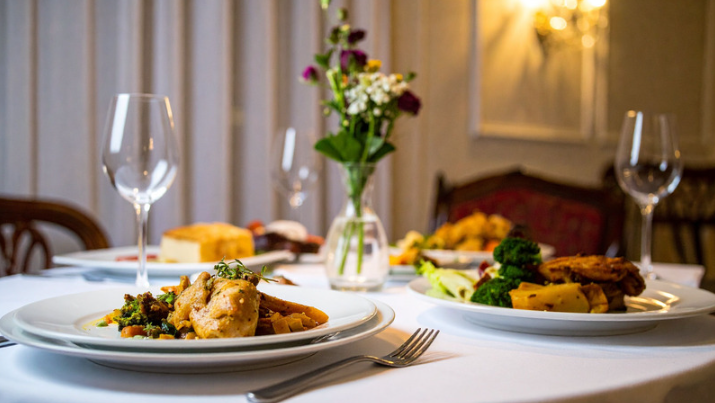
Let’s be real. The reservation is made, you’re excited for a night off from cooking, and you can’t wait to connect with friends or family over a delicious meal. And then, that little voice of worry starts to whisper: “What am I going to eat? Everything is going to be a salt bomb. I’m going to undo all my hard work.”
If this sounds familiar, you are not alone. Dining out can feel like navigating a minefield when you’re mindful of your sodium intake. But it doesn’t have to be a source of anxiety. It’s time to stop thinking of it as a test you might fail and start seeing it as a game you can win.
The first step is to reframe your mindset with a simple tool: the sodium budget. Just like a financial budget, it’s not about total restriction; it’s about making smart choices. If you know you’re eating out for dinner, you can be extra mindful with your choices at breakfast and lunch, saving up a larger portion of your “budget” for the restaurant meal. This simple shift from fear to planning is incredibly empowering.
Now, let’s arm you with the tools to spend that budget wisely.
1. Decode the Menu: Spot the Salt Bombs
Think of yourself as a flavor detective. Certain words on a menu are red flags that scream “high sodium.” Be wary of anything described as:
- Cured, Smoked, Pickled, Brined: (e.g., bacon, ham, pickles, olives)
- In a Broth or Au Jus: (e.g., French onion soup, French dip sandwiches)
- With Soy, Teriyaki, or Miso: (common in many Asian dishes)
- Smothered, Creamed, or with Gravy: (e.g., creamed spinach, biscuits and gravy)
Instead, look for the green lights. Words like grilled, baked, roasted, steamed, and poached are your best friends. They describe cooking methods that rely on heat, not salt, for flavor.
2. Make “The Ask” Politely
It can feel awkward, but you are your own best advocate. The kitchen is used to handling dietary requests! When you order, smile and try one of these simple, polite phrases:
- “This sounds wonderful. Would it be possible for the chef to prepare it with no added salt? I’m on a strict low-sodium diet.”
- “Could I please get the dressing/sauce on the side?” This puts you in complete control.
- “I’d love the steamed veggies. Could you please steam them plain with no butter or seasoning?” (You can then use your “Go-Bag” tools like pepper or a spice blend!)
Most importantly, remember that dining out is a joy. It’s about community and connection. With a little planning and these simple strategies, you can honor your health goals and savor the experience.
And to prove you don’t need a restaurant to eat restaurant-worthy food, here is a simple, elegant dish you can make at home.
Restaurant-Style Lemon Herb Scallop Scampi
This dish feels incredibly decadent and comes together in under 20 minutes. The flavor comes from bright lemon, fragrant garlic, and fresh herbs—not a pile of salt.
- What you need:
- 8 oz good quality pasta (linguine or spaghetti)
- 1 tbsp olive oil
- 1 tbsp unsalted butter
- 3-4 cloves garlic, thinly sliced
- 1 lb sea scallops, patted very dry
- ¼ cup dry white wine or low-sodium chicken broth
- Juice of 1 large lemon (about 3 tbsp)
- ¼ cup chopped fresh parsley
- Freshly ground black pepper
- What you do:
- Cook the pasta according to package directions in unsalted water. Just before draining, reserve about ½ cup of the starchy pasta water.
- While the pasta cooks, heat the olive oil and butter in a large skillet over medium-high heat.
- Add the scallops in a single layer. Do not overcrowd the pan! Sear for 60-90 seconds per side, until golden brown and just opaque. Do not overcook the scallops! Remove them from the pan and set aside.
- Reduce the heat to medium, add the sliced garlic to the skillet, and cook for 30 seconds until fragrant.
- Pour in the wine (or broth) and lemon juice, scraping up any browned bits from the bottom of the pan. Let it simmer for 1 minute.
- Add the cooked, drained pasta to the skillet along with the fresh parsley and a generous amount of black pepper. Toss to coat everything in the sauce, adding a splash of the reserved pasta water if it seems too dry.
- Gently fold the seared scallops back into the pasta. Serve immediately.
- Estimated Sodium: Approximately 250mg per serving.
- Note: The vast majority of this sodium is naturally occurring in the scallops themselves. The sauce is virtually sodium-free.
Take the Salt Sensitivity Quiz to receive your Salty Shaker Low-Sodium Restaurant Survival Guide that includes essential information for dining out without blowing your sodium budget for the day.